

A temple gate beneath the trees, where crows converge in gnarled conspiracy.
The city hums beyond the shrine, but here the air breathes differently.
Stone lanterns guard the gravel path, through gardens carved by ancient hands.
A thousand cats with beckoning paws, good fortune pouring through this land.
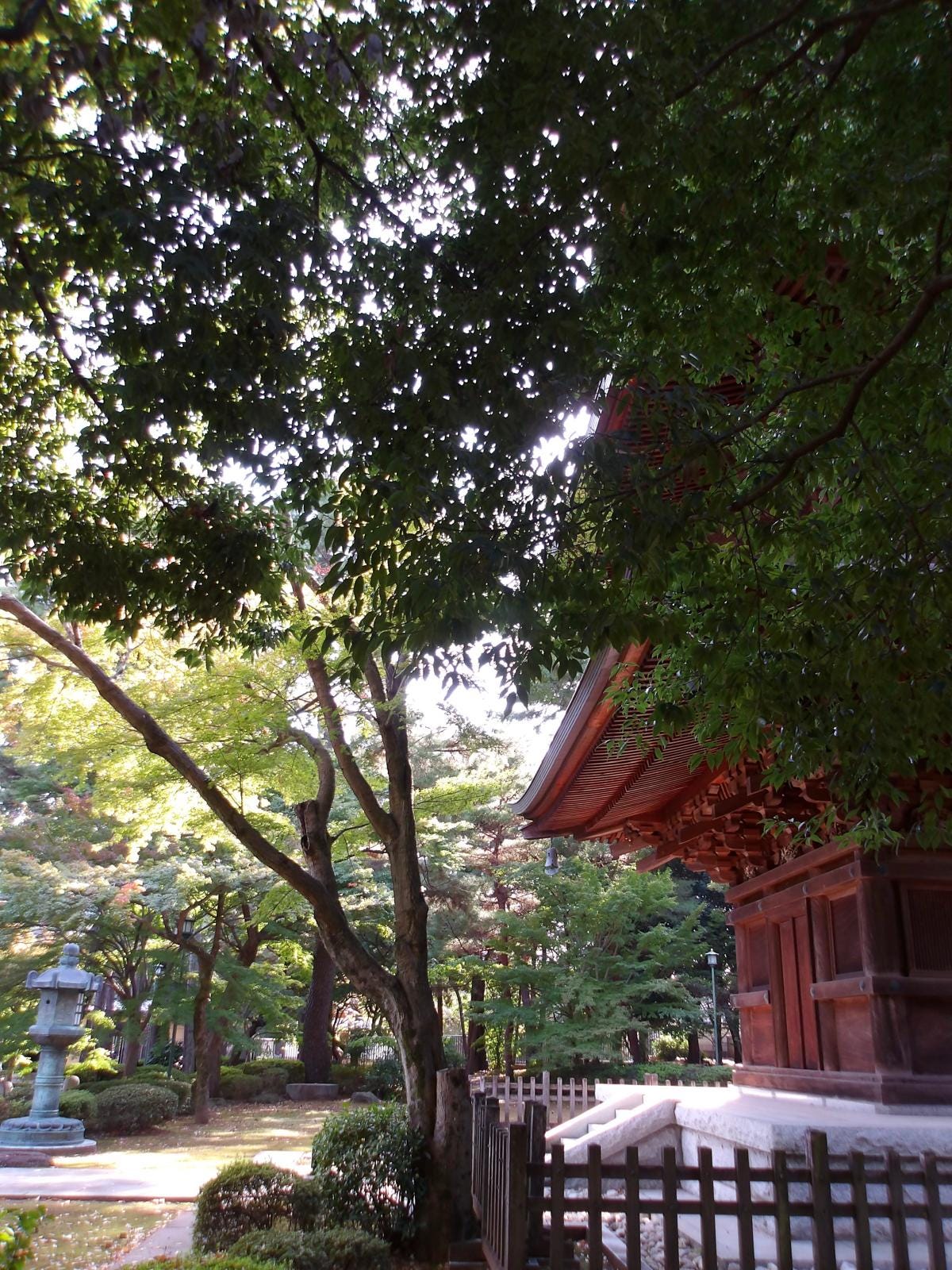
BOG witch (Tia) here, reporting from Tokyo!
Editor's note: this was back in Nov ‘25, but the end of the year ran away with me, and I forgot to post this!
I’ve been eating a bit too much ramen and shopping too much, so I had a shrine day to walk off my sins.
Meiji-Jingu: An Oasis in the Urban Chaos
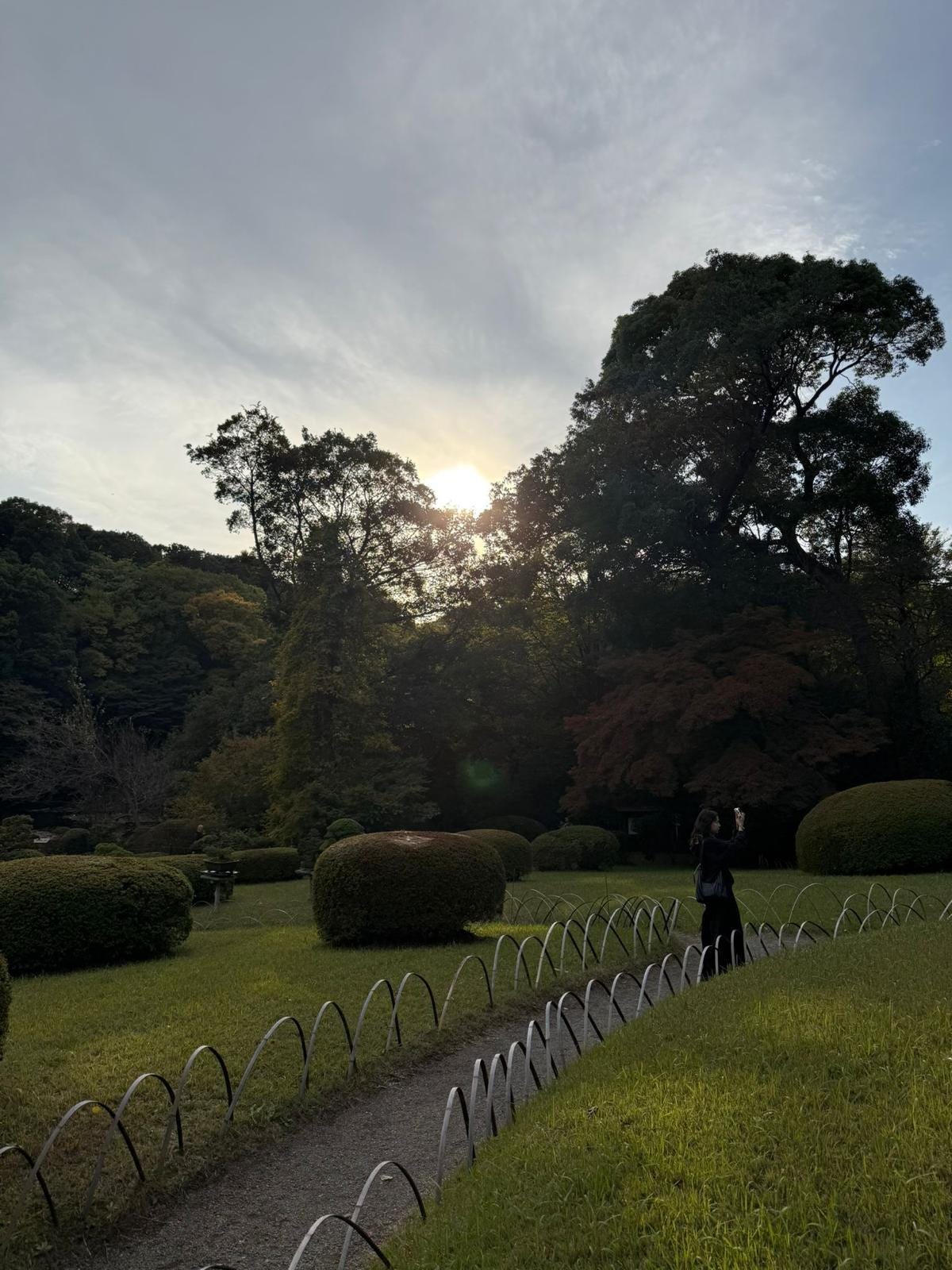
I visited the Meiji-Jingu Shrine and gardens next to Yoyogi Park in Shibuya, and I think it might have been my favourite temple I’ve seen on the trip. It was such a beautiful pocket of tranquillity in the city - the kind of place where the noise of Shibuya’s crossing fades into nothing the moment you pass through those towering torii gates.
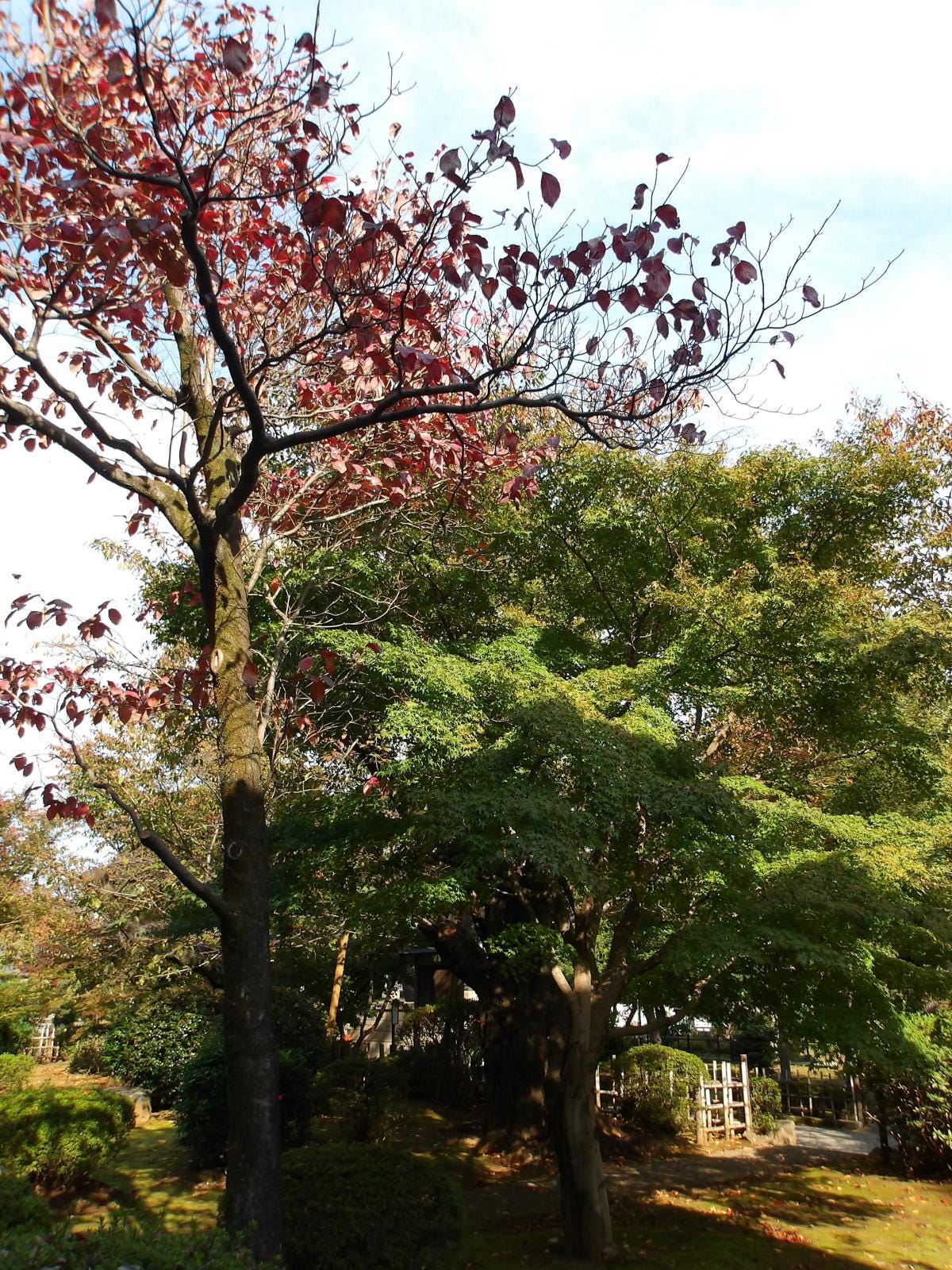
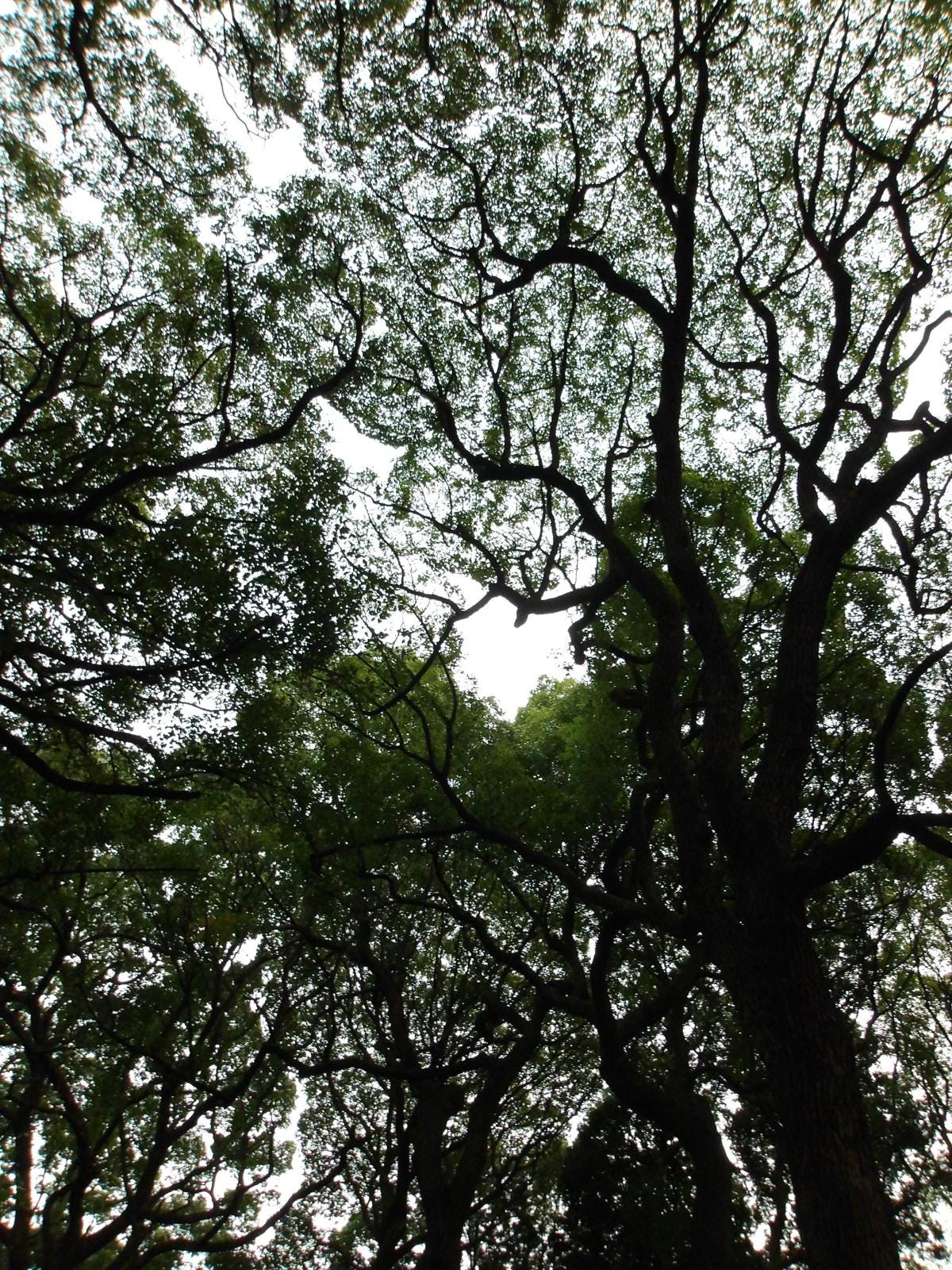
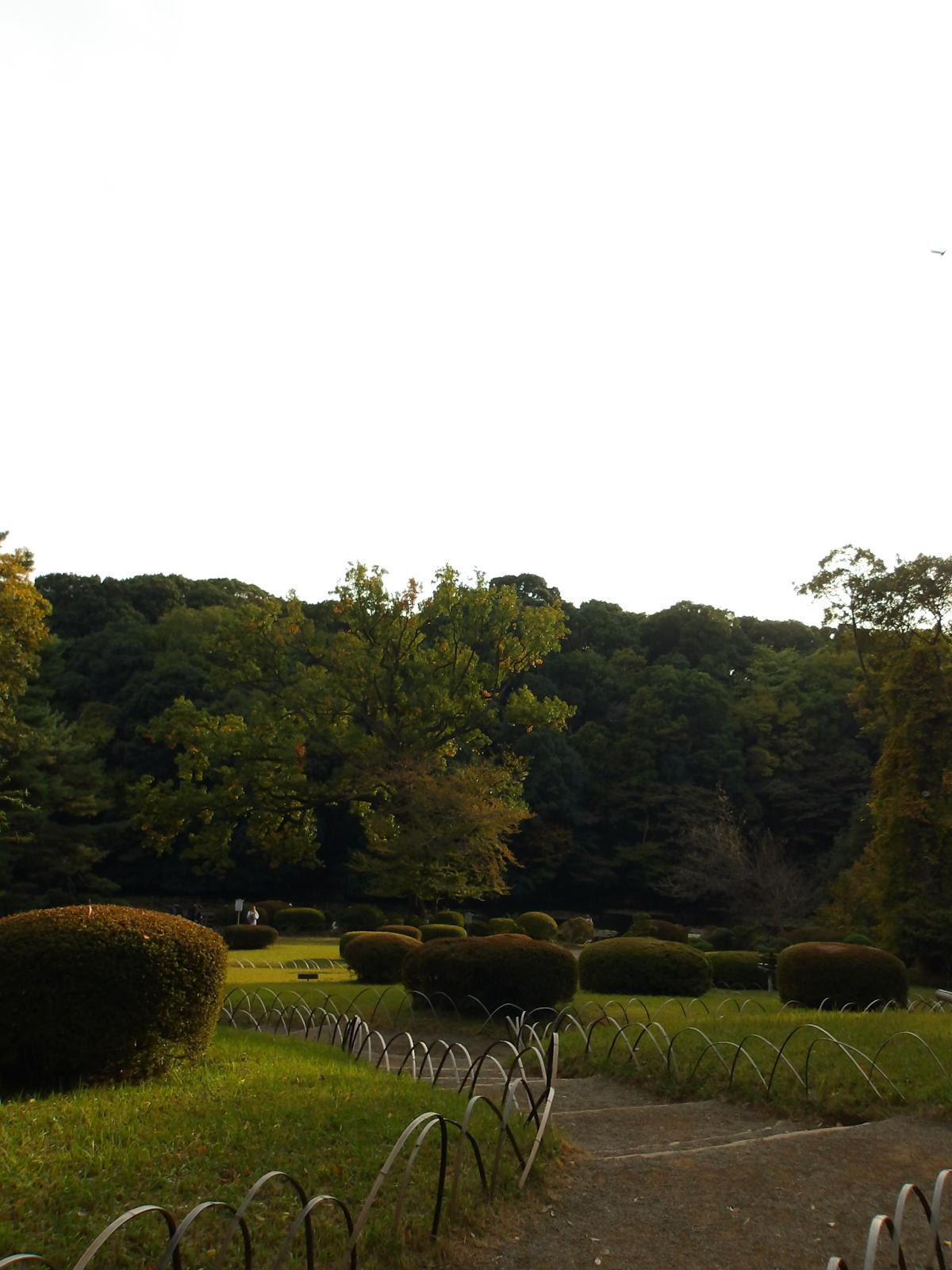
The approach to the shrine winds through a dense forest of over 100,000 trees, all donated from across Japan when the shrine was built in 1920. Walking that gravel path felt like stepping through a portal into another world, where the only sounds were my footsteps crunching and the distant calls of birds. The air felt different there- cooler, heavier with something sacred.
I saw loads of crows gathering in the trees (goth shit, obviously), their black silhouettes stark against the winter sky. There’s something about crows in a shrine setting that just hits different - they feel like they belong to that liminal space between worlds. And then I discovered a new bird called a Brown-Eared Bulbul!
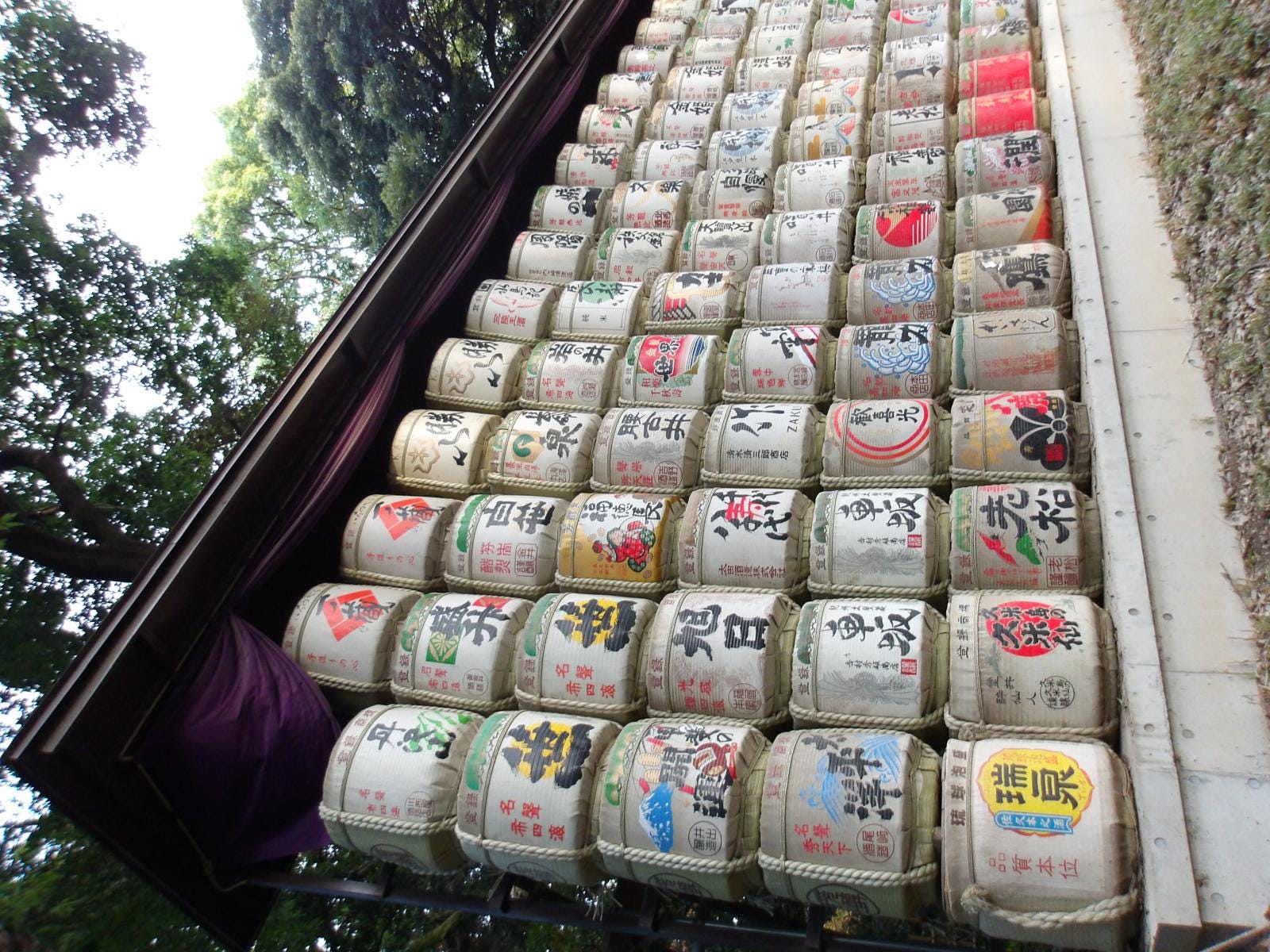
These little guys were flitting about the gardens with their distinctive brown cheek patches and slightly punky crests. They make this chattering call that I kept mistaking for something mechanical at first. I watched one perched on a sake barrel for ages…
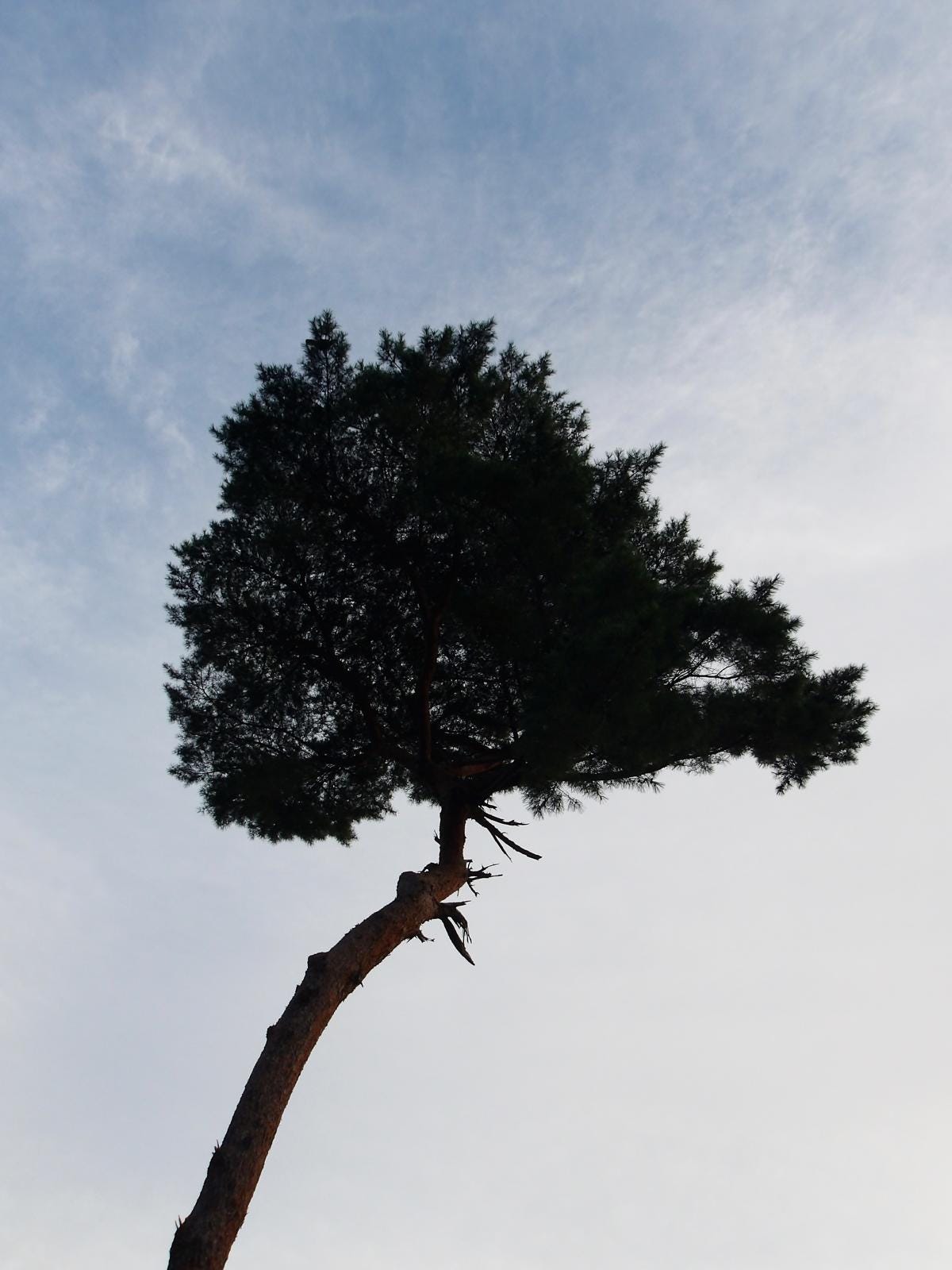
The main shrine building itself is beautifully austere - all that dark cypress wood and copper roofing, aged to a gorgeous green patina. There’s something deeply moving about seeing rituals being practised with such reverence in the heart of one of the world’s most futuristic cities.
Gotokuji Temple: The Kingdom of Lucky Cats
After Meiji-Jingu, I headed to Gotokuji Temple in Setagaya, the birthplace of the Maneki-Neko (lucky cat). The journey there felt like a proper Tokyo adventure—taking the train to a quieter neighbourhood, walking through residential streets where the city reveals its softer, more domestic side.
The legend of this place is brilliant: during the Edo period, a feudal lord named Ii Naotaka sought shelter under a tree during a thunderstorm when he noticed a cat beckoning him from the temple entrance. Intrigued, he followed the cat inside - and moments later, lightning struck the tree where he’d been standing. In gratitude for the cat saving his life, the lord became a patron of the temple, and a statue was made in honour of the feline. The temple’s fortunes turned, and the Maneki-Neko was born. 😺
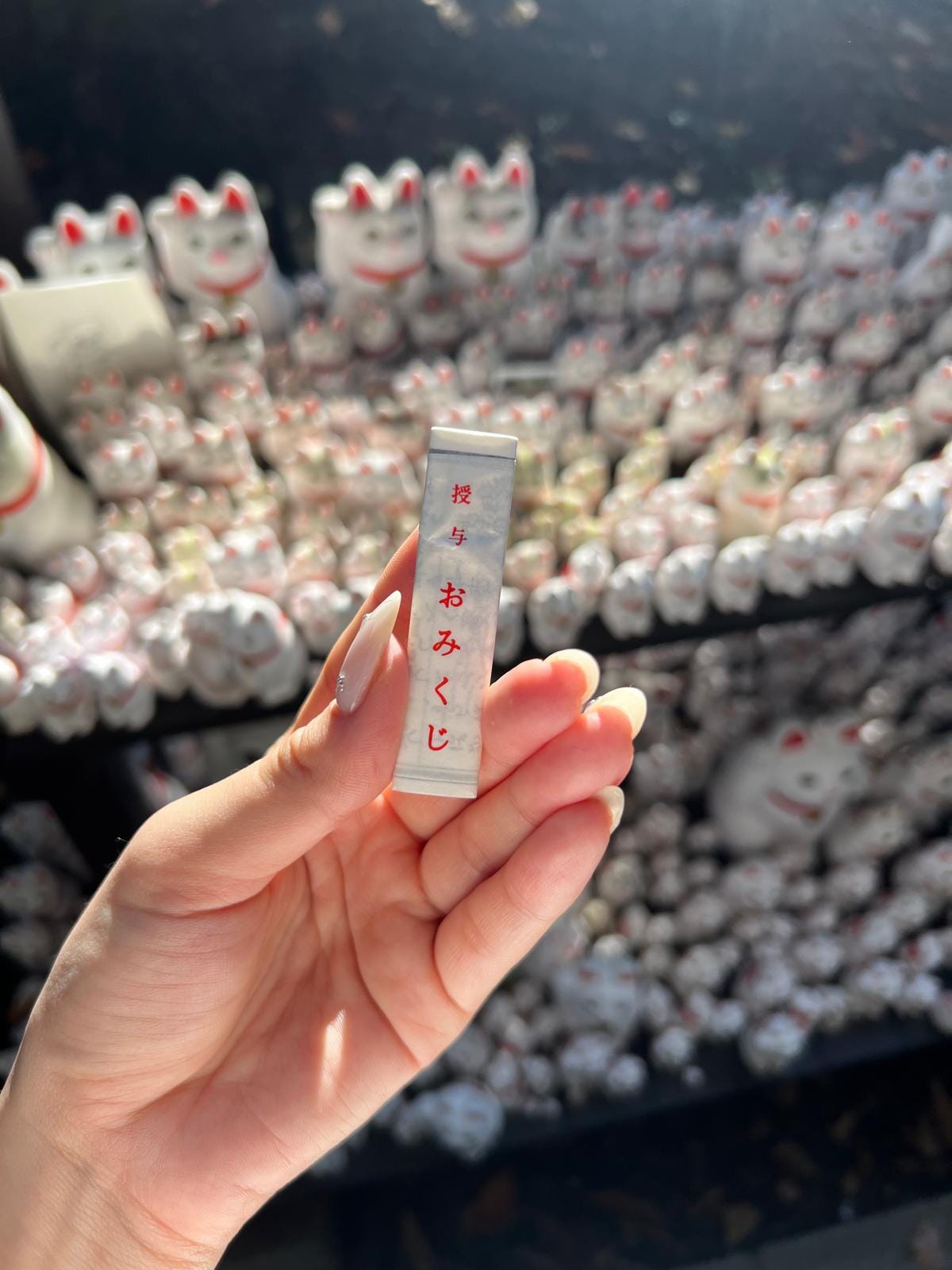
Walking into Gotokuji is genuinely surreal. The temple grounds are covered—and I mean absolutely covered—in hundreds upon hundreds of small white ceramic beckoning cats. They’re everywhere: clustered on shelves, lined up on steps, crowding the offering halls. Each one represents a visitor’s wish or prayer, left behind in hopes of good fortune. Some are tiny, no bigger than your thumb. Others are substantial, cat-sized cats. All of them have that same serene expression, one paw raised in that eternal welcoming gesture.
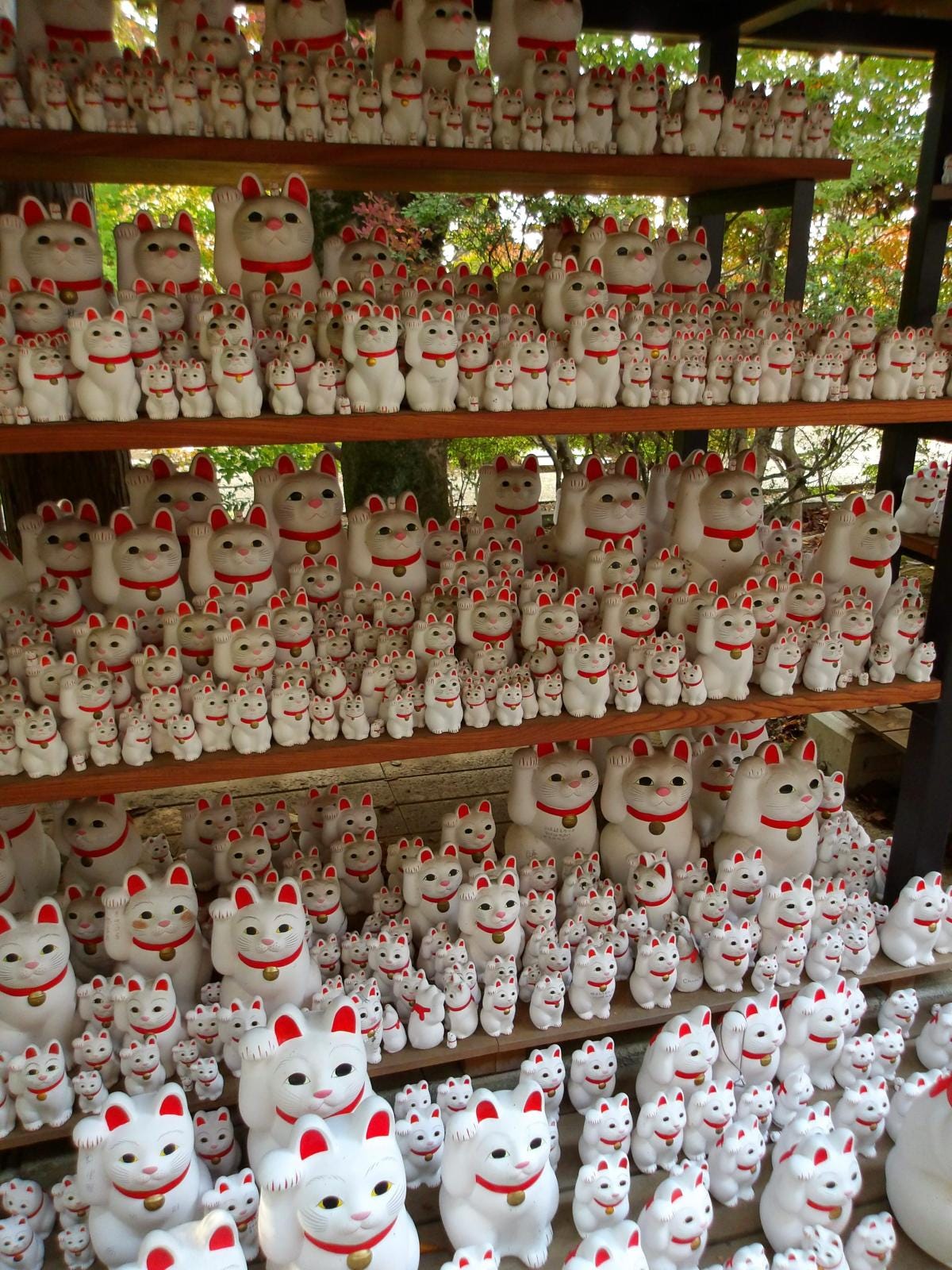
It should feel overwhelming, maybe even a bit creepy, but somehow it doesn’t. There’s something gentle about it—all these hopes and dreams taking the form of cats. I left one myself, a small one I’d bought at the temple shop, adding my little wish to the multitude. What did I wish for? That’s between the cats and me.
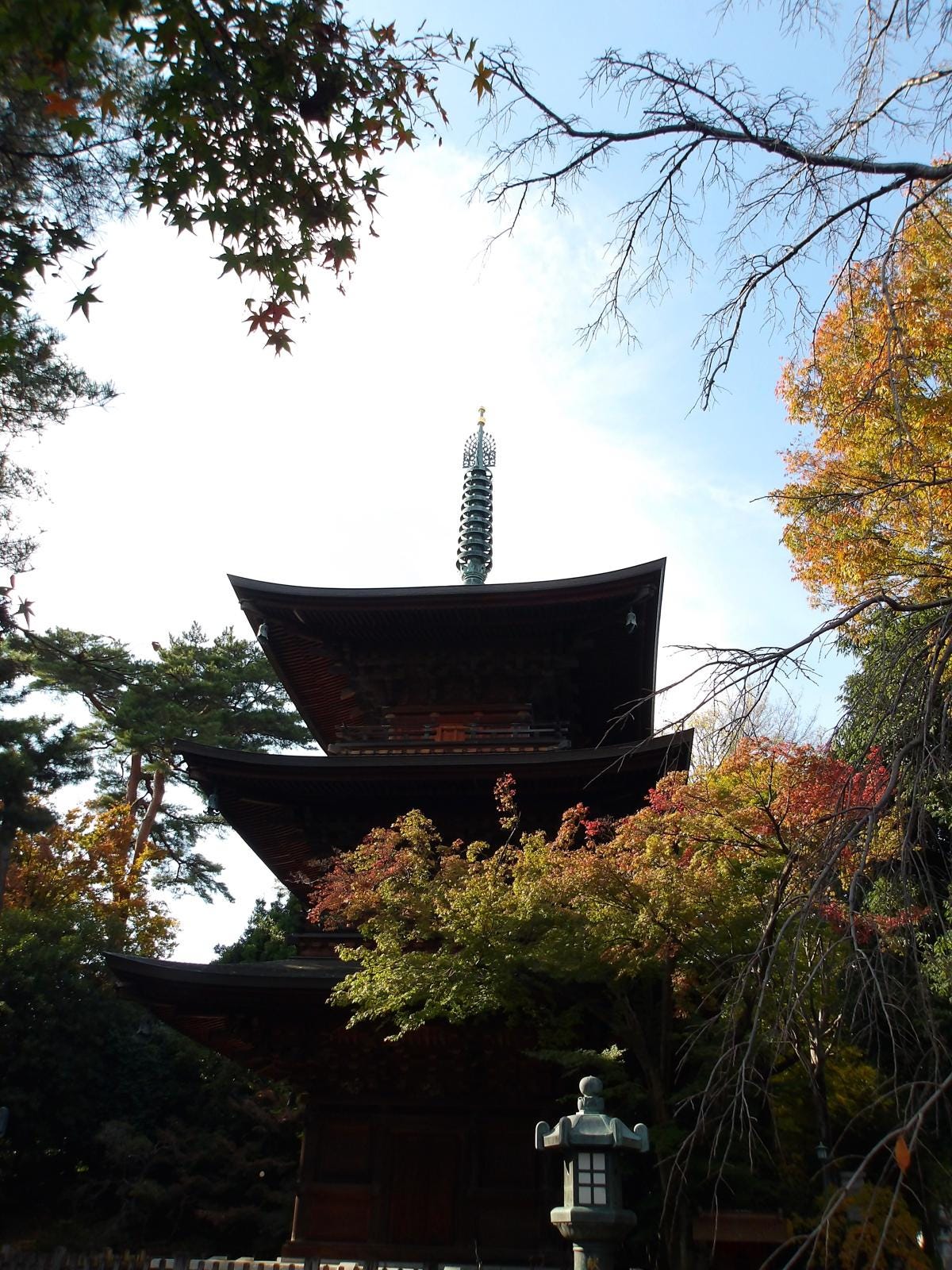
The temple itself is beautiful too, with traditional architecture and a three-story pagoda that you can glimpse through the trees. But honestly, the cats steal the show completely. I must have taken about a hundred photos trying to capture just how strange and wonderful the whole scene is.
Here’s some music that soundtracked the wander...
Tokyo’s Sacred Spaces
What struck me most about both places was how Tokyo manages to hold these pockets of contemplation and tradition within its relentless modernity. You can be in the thick of shopping districts and traffic one moment, then walking through centuries-old forests or sitting among hundreds of ceramic cats the next.
These shrine days have become essential to my Tokyo experience—not just for walking off the ramen and shopping excess (though that helps), but for finding those moments of stillness that make the chaos more bearable. Plus, where else can you spot crows, bulbuls, and an army of lucky cats all in one day?
Now, if you’ll excuse me, I think I’ve earned another bowl of ramen. 🍜
Keep it witchy... 🐦⬛