


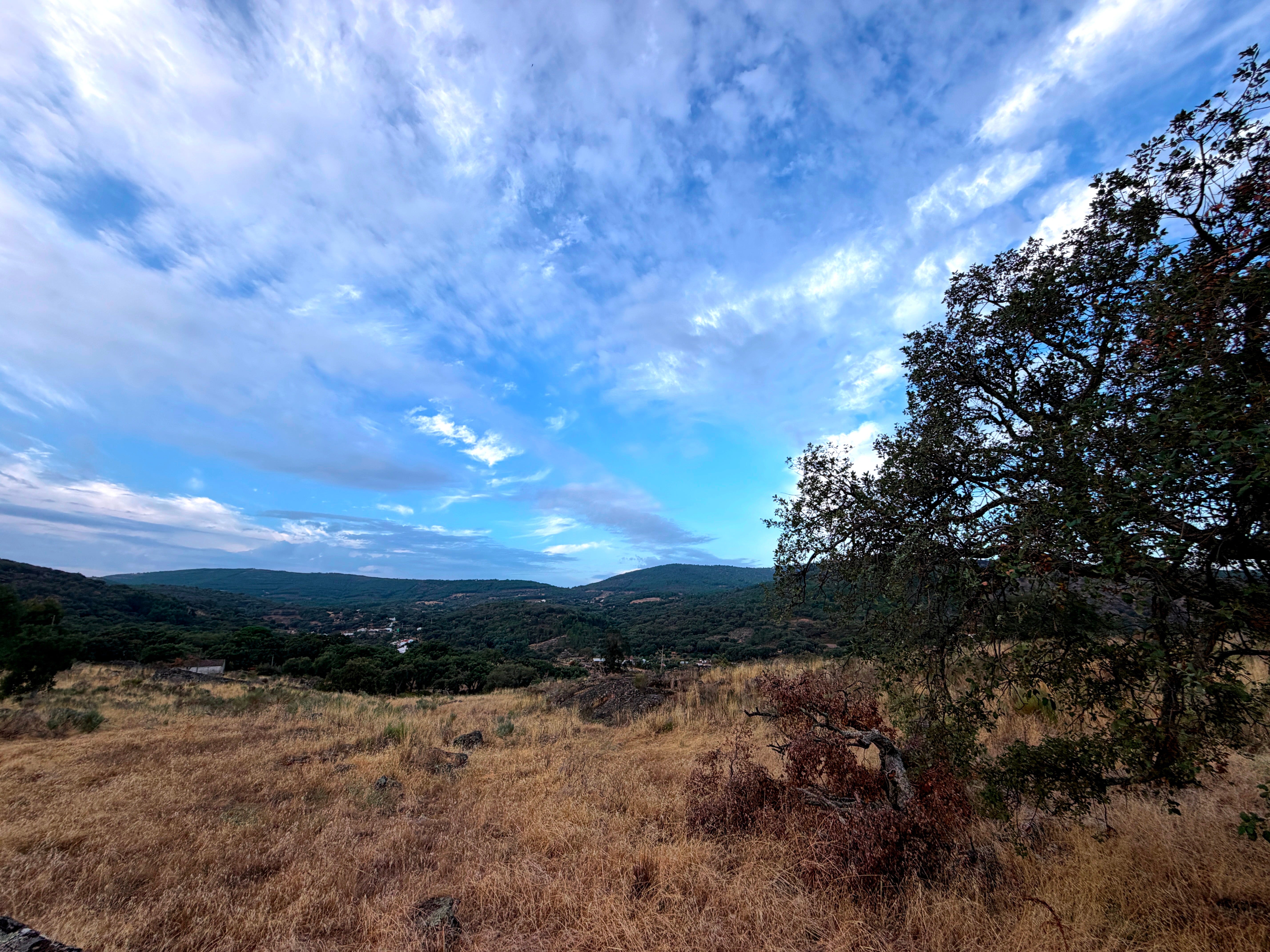
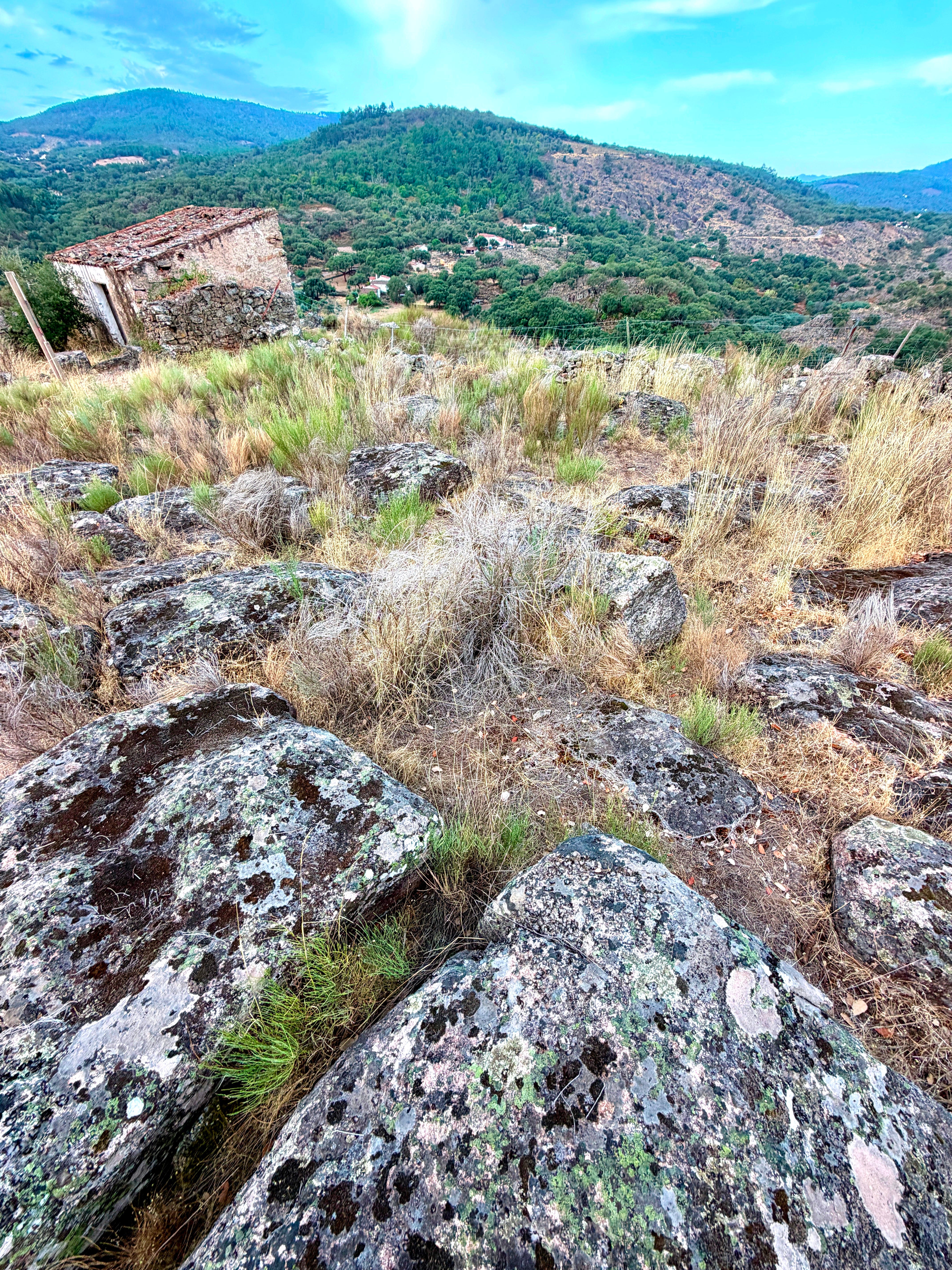
I hadn't meant to look for Scotland in Extremadura, yet there it was. As I ran a slow 10k loop around Valencia de Alcántara, near the Portuguese border, each gradual ascent revealed more granite boulders, scattered and balanced like cairns placed by an ancient gardener. Cork oaks, twisted and slow-growing, kept watch over the fields where horses and cows were grazing, and a wild boar moved through the undergrowth. The light was soft, diffused, hazy yet luminous, the kind that makes everything seem more alive. Although I had never run this way before, after just a couple of kilometres it felt as if I had wandered into a Highland glen, a landscape transplanted and still thriving in western Spain.
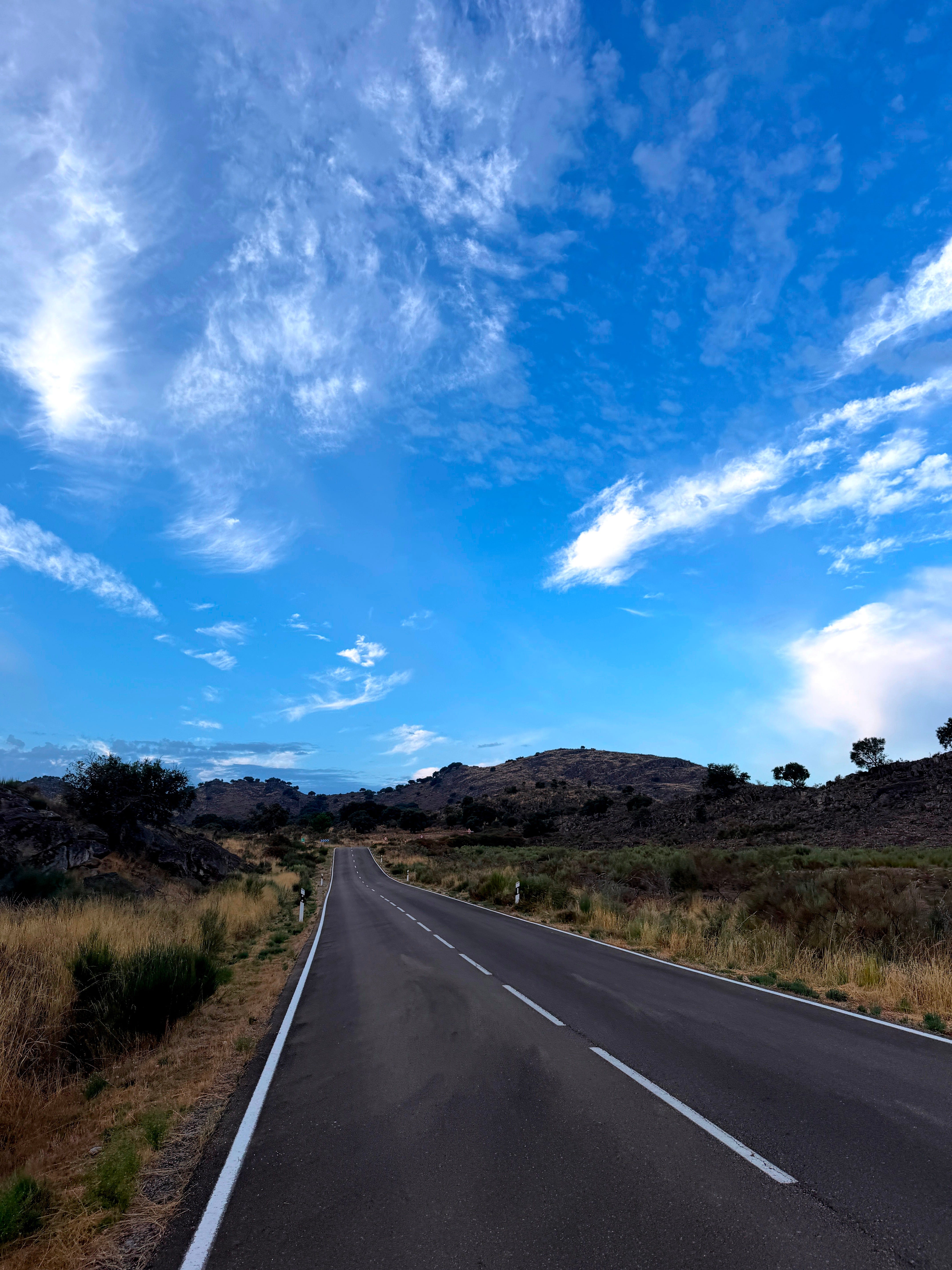
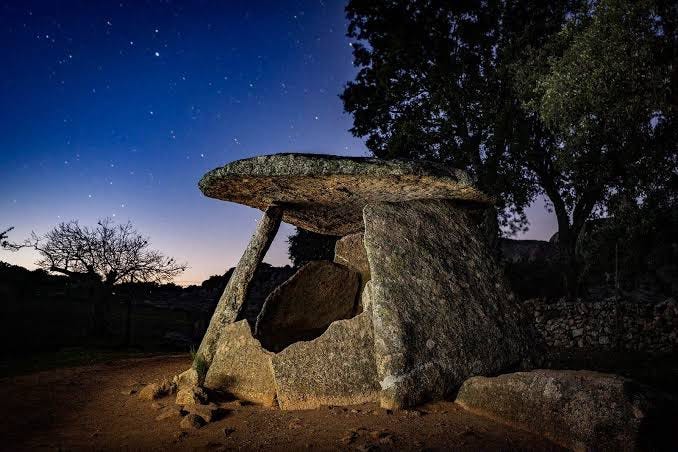
At some point, I passed Tapada del Anta, a dolmen on the hillside. Forty-eight of these ancient megalithic tombs are scattered across the district, each a quiet arrangement of granite, as if hands from thousands of years ago had planted a seed. The stones at Tapada del Anta lean against one another, sheltered beneath a single capstone, forming a prehistoric greenhouse for memory.
Highland Time, Symbeline's first tape, is about to become available through Glasgow’s Spritz Editions. The label had sent it to me, and I hadn’t intended for it to become the soundtrack to this journey, but music and place ended up connecting as the run went on. Both the tape (a digital version thereof, in this instance) and the trail arrived in my life at the same time.
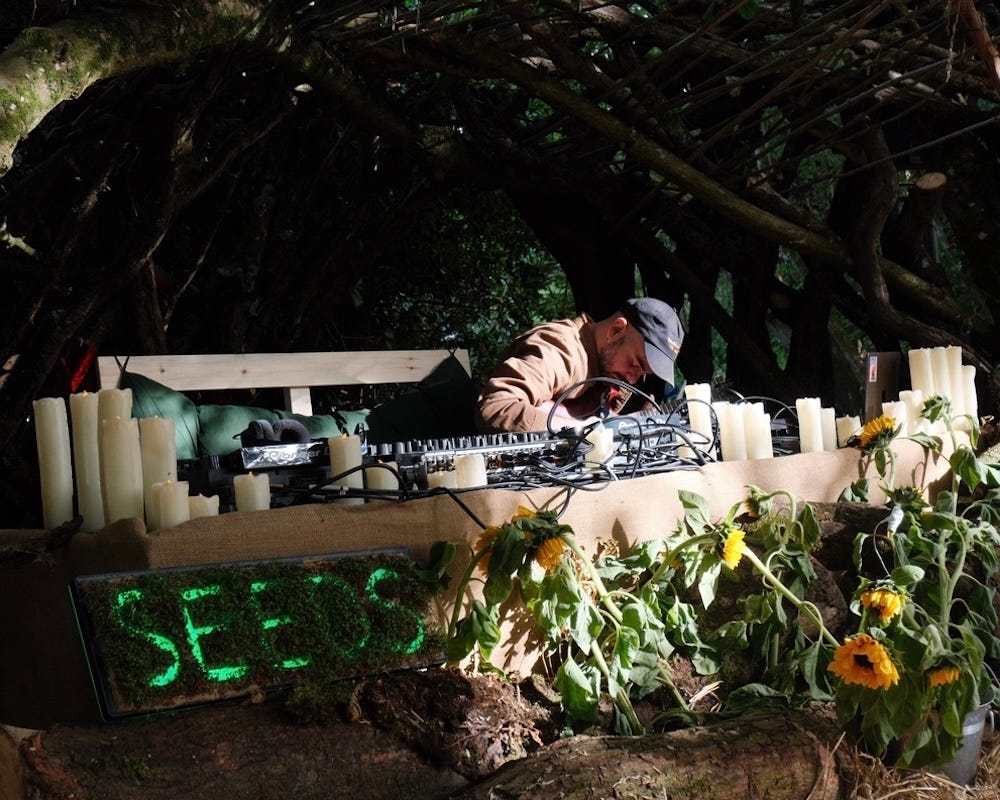
Spritz Editions is a Glasgow-based record label run by DJ Emma Diamond and producer Loris S Sarid, who are friends of both Optimo, 12th Isle…and us. This year they performed for us at the Bush of Ghosts, the stage at Watching Trees, and they were excellent…
The label originally formed from a shared interest in promoting the local music scene, and in January released DWAM, its first compilation of sixteen tracks by well-known and lesser-known artists from the city, gathered from hard drives, including demos and half-completed songs that had never found a home on record. It offers a picture of Glasgow at a particular time. Rather than focusing on genre, it uses geography as the unifying element to involve the local community and show the city’s musical diversity. Symbeline appears on the compilation alongside Frederikke Hanne on ‘Jim Cake’, and Highland Time takes the same approach. From there, Symbeline remains a puzzling figure, and I can’t find much about them.
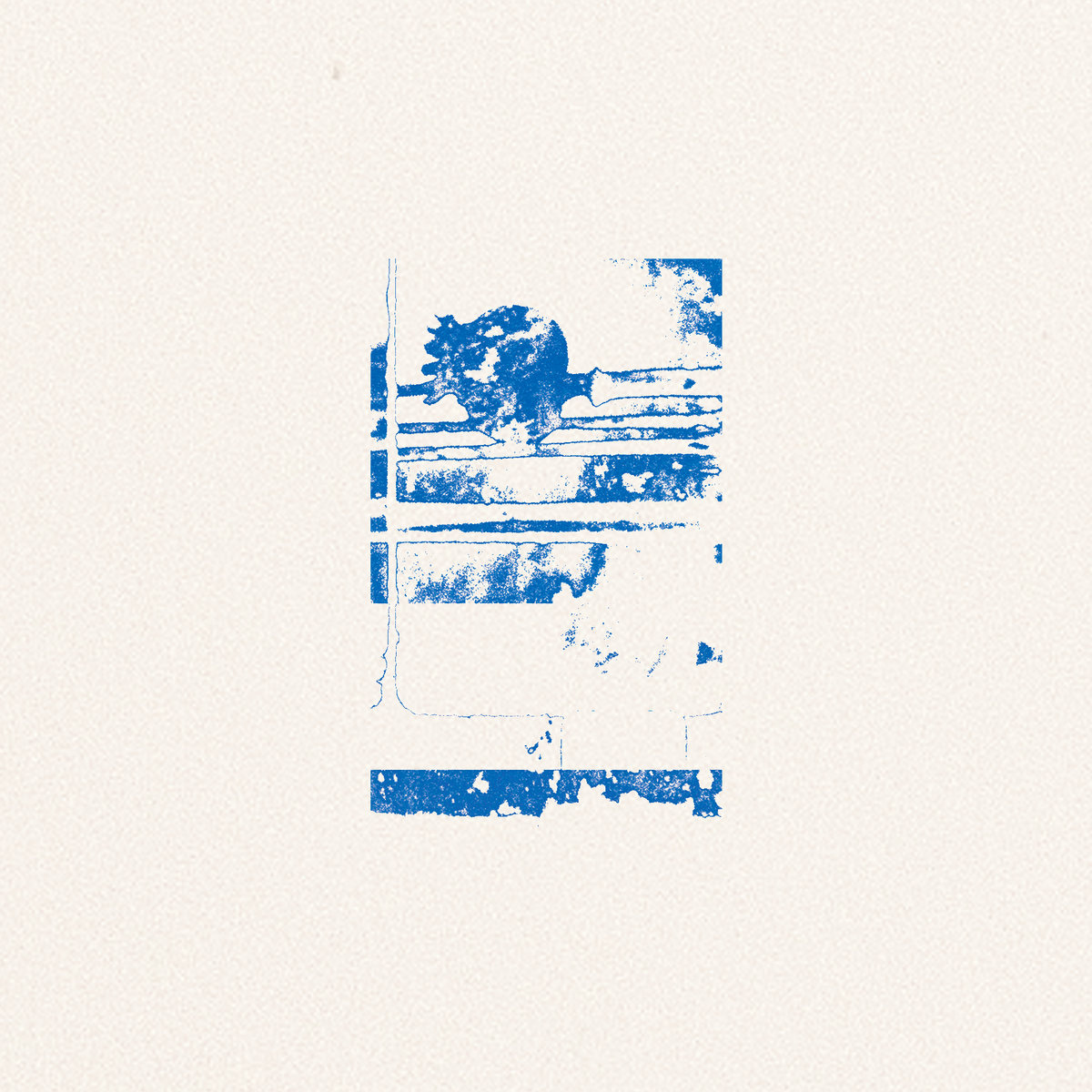
Highland Time started life as a soundtrack. Callum Rice, a Glasgow filmmaker whose first short, Mining Poems or Odes, won BAFTA Scotland’s Best Short Film in 2015, made a film marking ten years of the Glasgow School of Art’s winter school. The school runs out of GSA’s Highland campus, a converted farm steading on the Altyre Estate just outside Forres in Moray, and draws students from around the world for a few weeks at a time.
Symbeline composed the score, and it developed into a piece in its own right, like a sapling finding its own patch of light. The tracklist reads like a calm walk around the campus: Forres, Findhorn, Winter School, Altyre Cycle. The label describes it as a slow infusion of pastel countryside, full of texture and space, synthetic yet organic. From there, the first track, Harmonic, is quietly beautiful, like the first green shoot pushing through the soil and opening the path ahead.
Later, after some research, I realised the Highlands I had been imagining weren’t the ones Symbeline had in mind. The area around Forres is soft and low, farmland and forest, with the wide, shallow bay at Findhorn. The landscape is pastel-coloured, just as the name suggested. No granite giants like the ones I had been moving between. In that sense, the fragments of the Highlands that I had mapped onto the music were my own memories - bits from trips to Skye, the sensation of staying in a family croft - and I had transferred all of them onto a hillside in Spain, even though it was the wrong kind of soil, yet they still managed to thrive.
There’s a track called “Bodying Forth”, which sent me straight to Theseus in A Midsummer Night’s Dream, talking about how imagination bodies forth the forms of things unknown. Maybe that’s where Symbeline found the title, or maybe it’s a quiet nod to Cymbeline. I don’t know. Either way, out on the trail, the music gently nudged me forward, like a stem reaching for the sun.
For most of my life, the music I cared about came with a dancefloor attached, and my friendships came with it. My best conversations happened somewhere after 3 am. These days, I’m usually home before the last set and out the door early, trainers on. The Bush of Ghosts, our ambient space at Watching Trees, offers a different kind of room, built for listening.
Not everyone I used to dance with made that move with me. Late-night circles thin out when you step away, and the people left inside can turn tight and watchful, a little wary of anyone who has gone. I don’t feel wronged. Still, I’m sad about one friendship in particular, because of the time and care I put into someone along the way. It has cooled, and some of what’s been said since has been hard to hear. I’m told this is what happens as you get older.
A listening room works differently. There’s no inner circle to be in or out of, and nobody is racing to the end of the night. Ambient music and the records around it slow everything down: the evening, the conversation, the pace you run at. That shift is why Loris and Emma reset our 'room' at the Bush of Ghosts last year, and why their label’s record did something similar for me on a quiet trail before 8 am, with nobody else around. The run wasn’t a dancefloor, and that’s the point of these slow miles. Since I stopped chasing times and let go of the coaching apps, albums like this have set my pace, letting the music settle around me like morning mist. Highland Time did that for the full 10k.
I let the album play through twice, and when I reached the last stretch, the final track, Sueno, drifted in, majestic and ethereal, the kind of sound that settles like dew on leaves. I couldn’t have asked for a better way to finish a 10k.
Afterwards I looked the title up. The obvious candidate is Sueno’s Stone, on the north-eastern edge of Forres: the largest surviving Pictish cross-slab stone in Scotland, 6.5 metres tall, raised somewhere between 850 and 950. Nobody knows who raised it, or why. Like Tapada del Anta, it was raised on purpose, only thousands of years later. In Spanish, sueño means dream, or sleep, which brings the title back to where it began.
Thinking back to those boulders, I realised none of them needed moving. They sit, weathered and rooted, and you pass by. I’ve been carrying something this year that I’d like to leave the same way, let it settle, let it become part of the landscape. By the second loop through the record, I think I managed it. The end of Sueno felt like finally letting something rest in its own patch of earth.
Highland Time by Symbeline is out on 16 October on Spritz Editions, on limited cassette and digital.