



“Look at the network, and it starts to look back at you.” Merlin Sheldrake
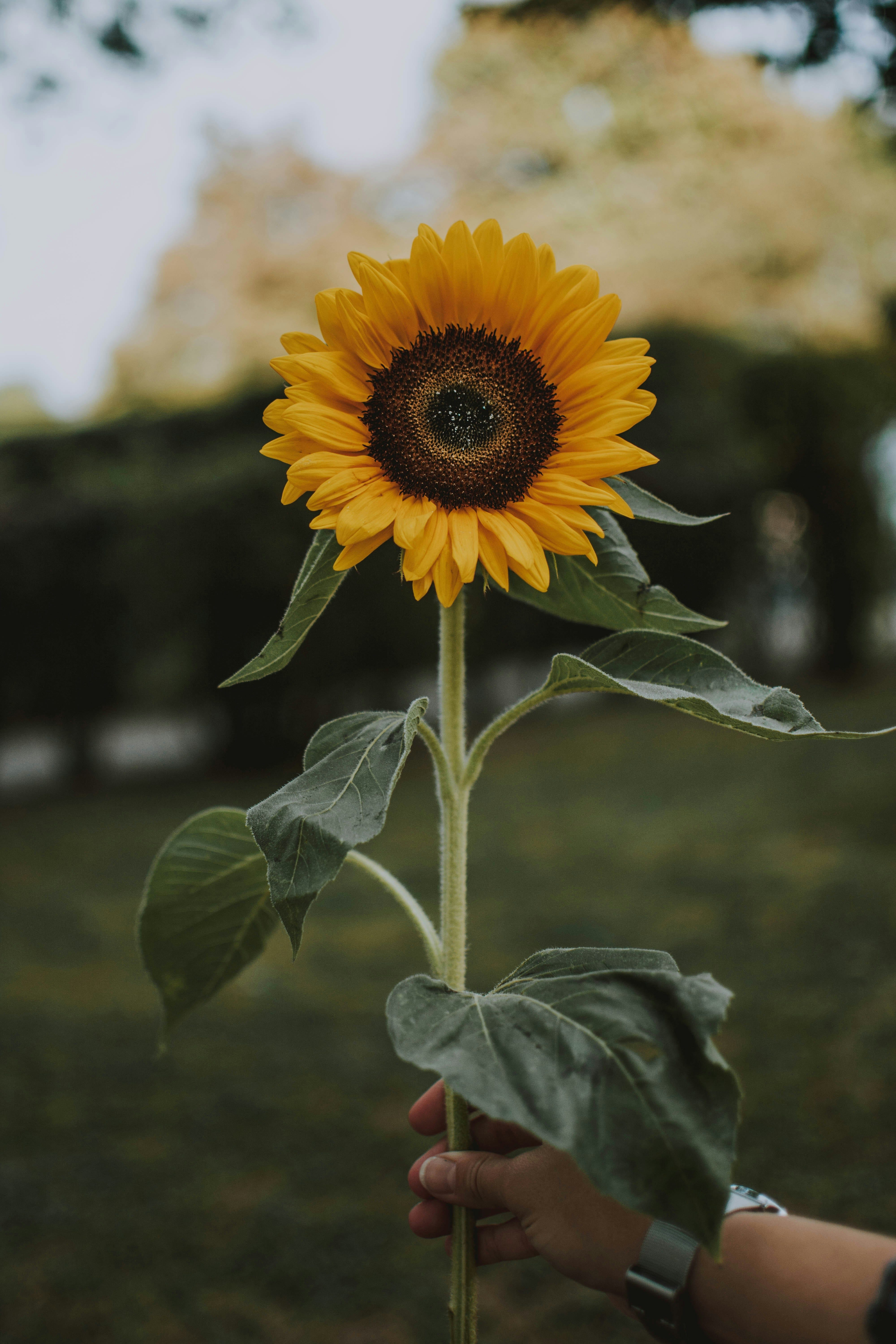
Helianthus annuus - the common sunflower - is perhaps the most immediately joyful plant in any garden, for me anyway… and a friend of ours, Brian, aka Auntie - but we’ll get into that later.
For now, sow those seeds 2cm deep and 30cm apart between March and May, place them in bright direct sunlight, and within weeks, something remarkable begins to happen.
Stats fans: The British record for the tallest sunflower stands at just under 8m - an ambitious column reaching toward the sky… legends.
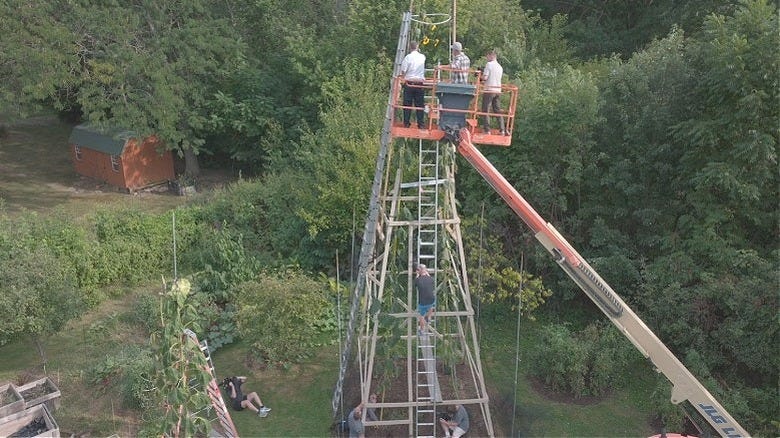
The real story of the sunflower isn’t what happens above the soil; it is most definitely beneath it.
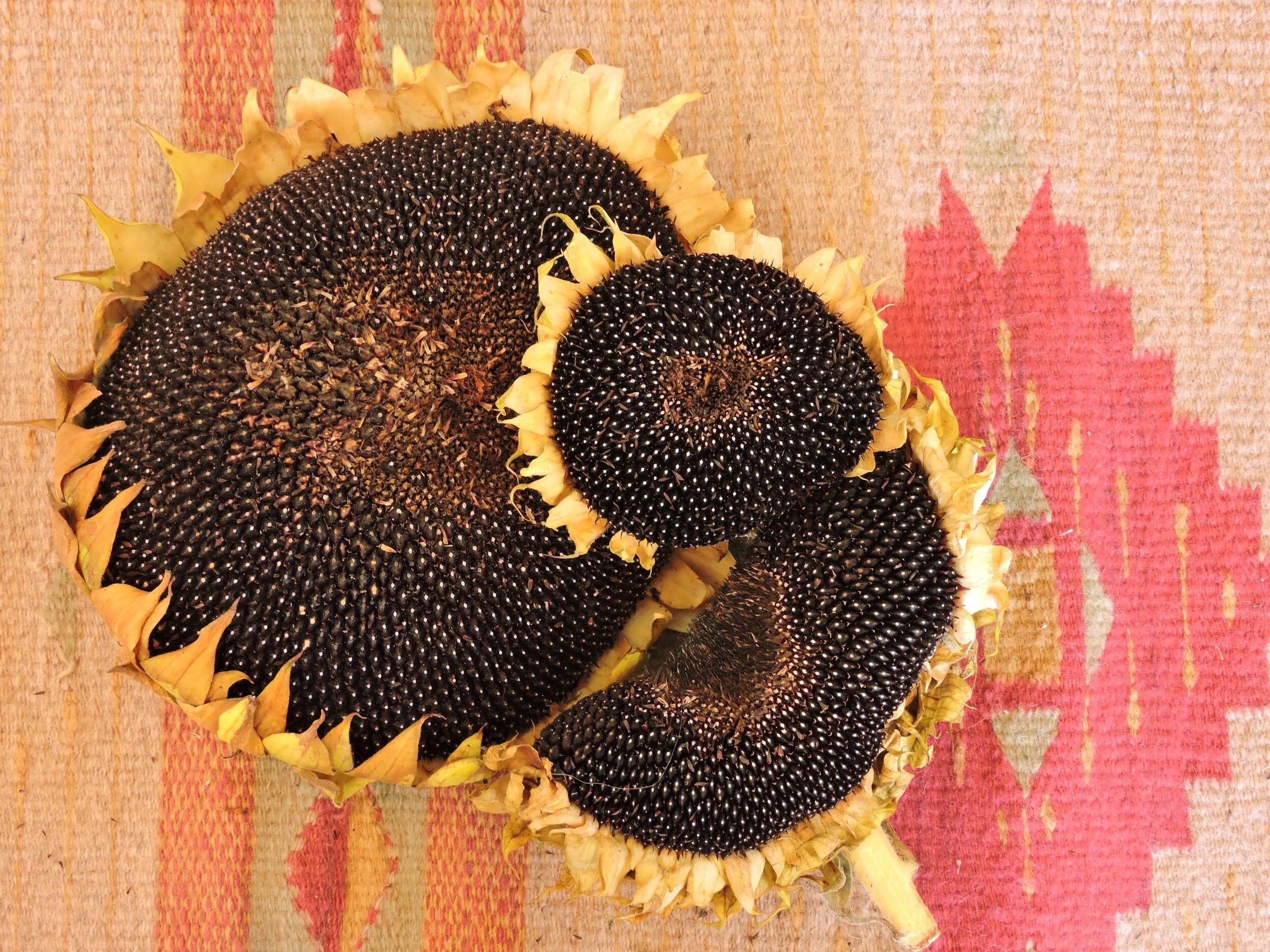
But first, what we see is THAT FACE. That enormous, vivid disc - butter yellow, amber, rust - which most people mistake for a single flower. It isn’t. A sunflower head is an inflorescence: a community of up to 2,000 individual florets arranged in an extraordinary mathematical spiral. The outer ray florets, the ones we recognise as petals, are sterile; purely for display. The inner disc florets are the workers; each produces pollen and can set seed. The face of a sunflower is not a single thing, but many ‘things’ acting together, as one. A whole society, you could argue.
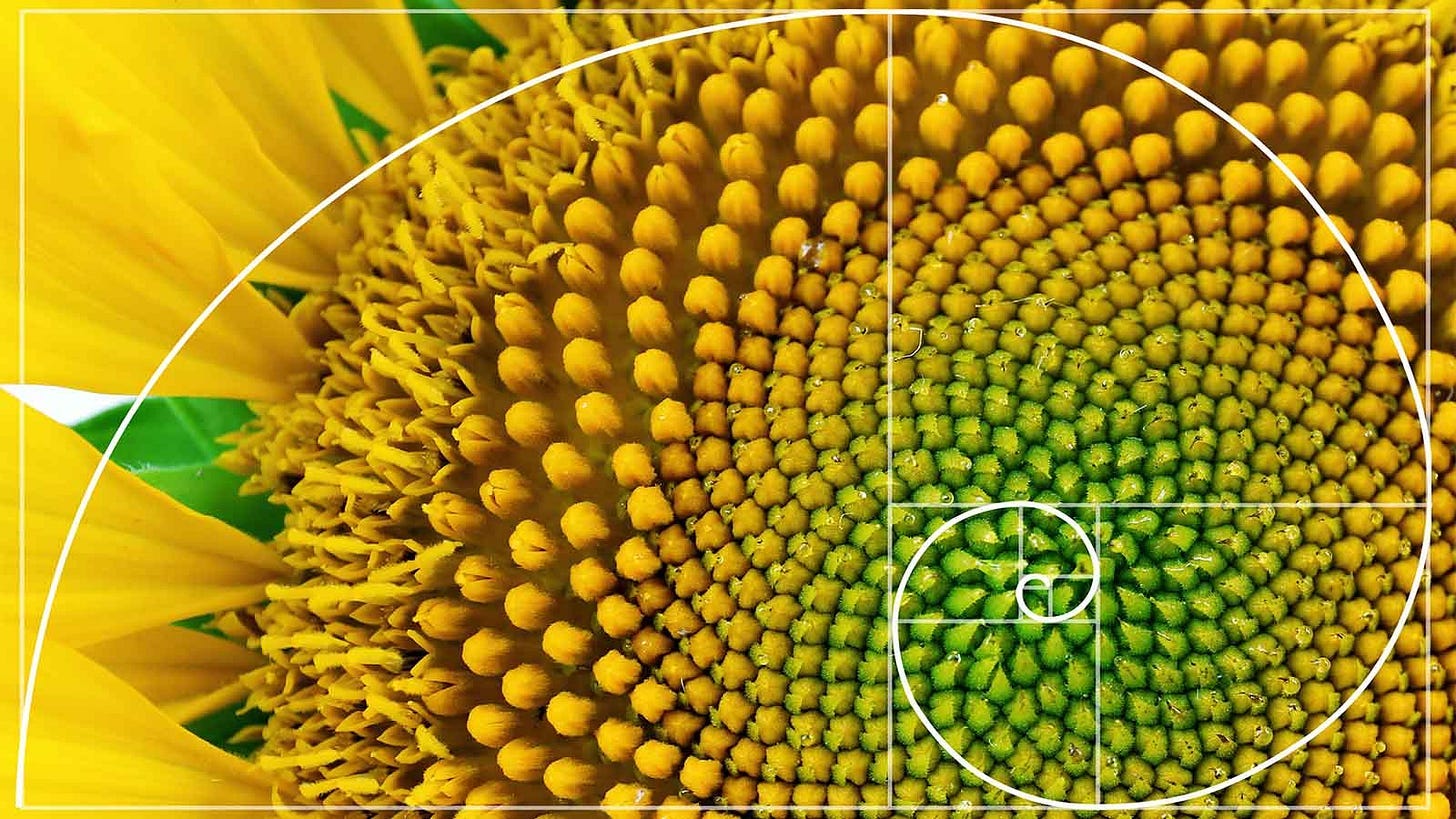
That spiral follows the Fibonacci sequence - the same pattern that’s found in pinecones, nautilus shells, pomegranate seeds and the pineal gland (a pinecone-shaped endocrine organ in the brain’s centre that regulates sleep cycles) and much more in nature. The more I’ve looked throughout my life, the more and more I’ve seen it. Nature returning to that reliable architecture: the one that packs the most into the least space, wastes nothing, shares the load evenly. Before you’ve even got to the roots, the sunflower is already making a case for collective efficiency over individual glory. If only life imitated this, hey!
There’s a useful parallel here that Jamie House made when we spoke to him for Seeds Mix #9 - talking about the fractal nature of the forest, how “every process is made up of countless sub-processes, self-replicating patterns and individual parts doing an impression of one solid bit.” A sunflower head is exactly that: thousands of florets doing their best impression of one enormous flower.
Zoom in and this unity dissolves, zoom out, and it’s seamless.
“Fungal networks form physical connections between plants. It is the difference between having twenty acquaintances and having twenty acquaintances with whom one shares a circulatory system.” Sheldrake again, sorry I should have been more adventurous with my research, but his ideas are just too apt.
Sunflowers are not the solitary giants they appear. They are social creatures, woven into a quiet web of negotiation, cooperation, and communication that scientists are still only beginning to map. When two neighbouring sunflowers encounter a patch of nutrient-rich soil between them, they don’t rush to claim it. Instead, they deliberately root elsewhere - yielding, deferring, coexisting. For a species that can grow the height of a house, this is an amazing act of restraint. It suggests that coexistence can be a stronger evolutionary drive than the dominance we see all around us at the moment. That survival of the fittest may sometimes look a lot like getting along. Pretty pertinent in these later days.
This root behaviour is part of a broader phenomenon researchers call ‘plant neighbour recognition’. Sunflowers appear capable of distinguishing between their own roots and those of strangers, adjusting their growth accordingly. When planted alongside seeds from the same parent plant they compete even less aggressively, growing taller and producing more seeds than when surrounded by unrelated neighbours. Family, it turns out, changes how a plant behaves in the world. A sunflower standing next to a sibling is a different organism from one standing alone.
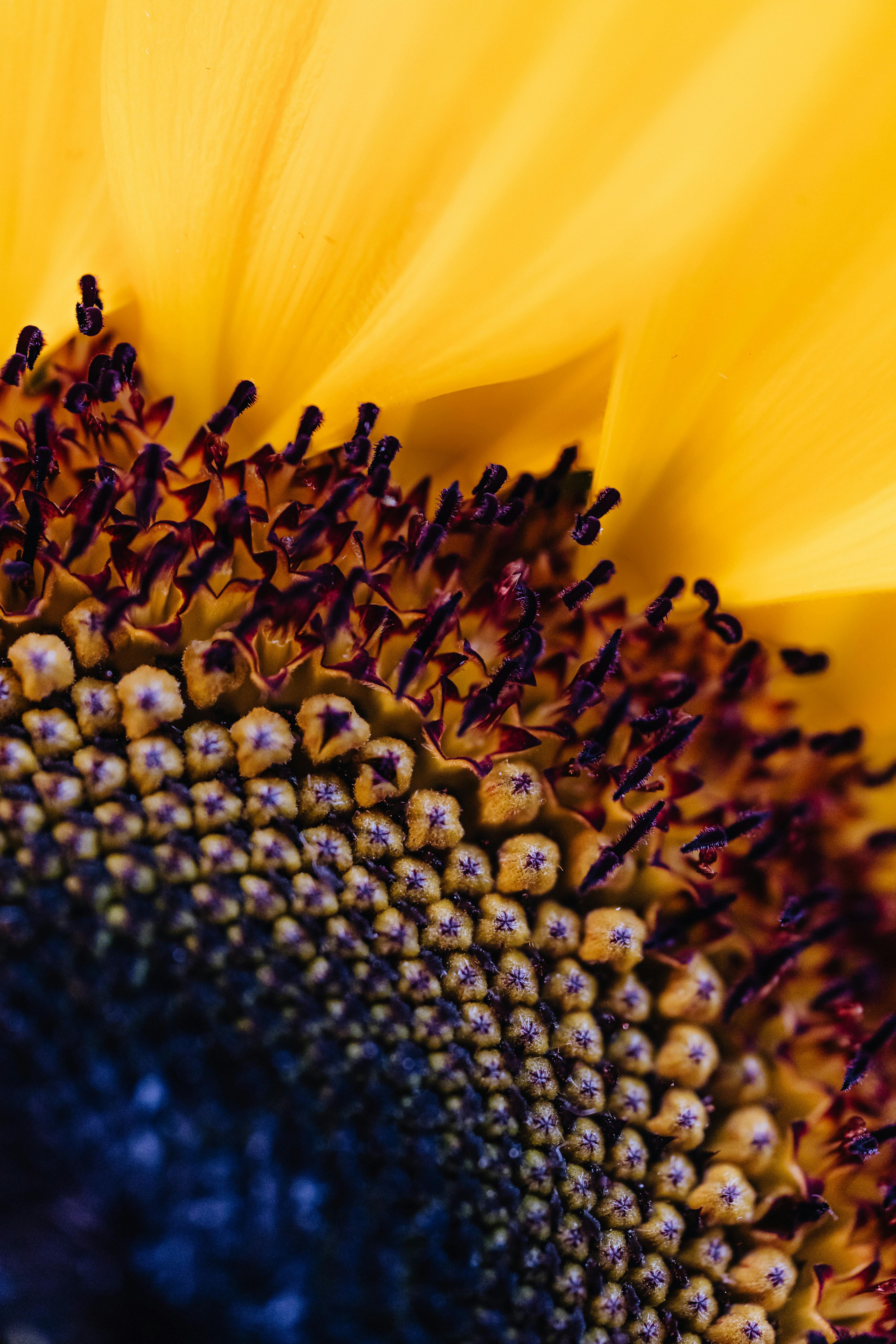
“Fungal networks form physical connections between plants. It is the difference between having twenty acquaintances and having twenty acquaintances with whom one shares a circulatory system.” Merlin Sheldrake, again.
Sunflowers are not the solitary giants they appear. They are social creatures, woven into a quiet web of negotiation, cooperation, and communication that scientists are still only beginning to map. When two neighbouring sunflowers encounter a patch of nutrient-rich soil between them, they don’t rush to claim it. Instead, they deliberately root elsewhere - deferring or coexisting if you like. For a species that can grow the height of a house, this is an amazing act of restraint. It suggests that coexistence can be a stronger evolutionary drive than the dominance we see all around us at the moment. That survival of the fittest may sometimes look a lot like getting along. Pretty pertinent in these later days.
This root behaviour is part of a broader phenomenon researchers call ‘plant neighbour recognition’. Sunflowers appear capable of distinguishing between their own roots and those of strangers, adjusting their growth accordingly. When planted alongside genetic kin - seeds from the same parent plant - they compete even less aggressively, growing taller and producing more seeds than when surrounded by unrelated neighbours. Family, it turns out, changes how a plant behaves in the world. A sunflower standing next to a sibling is a different organism from one standing alone.
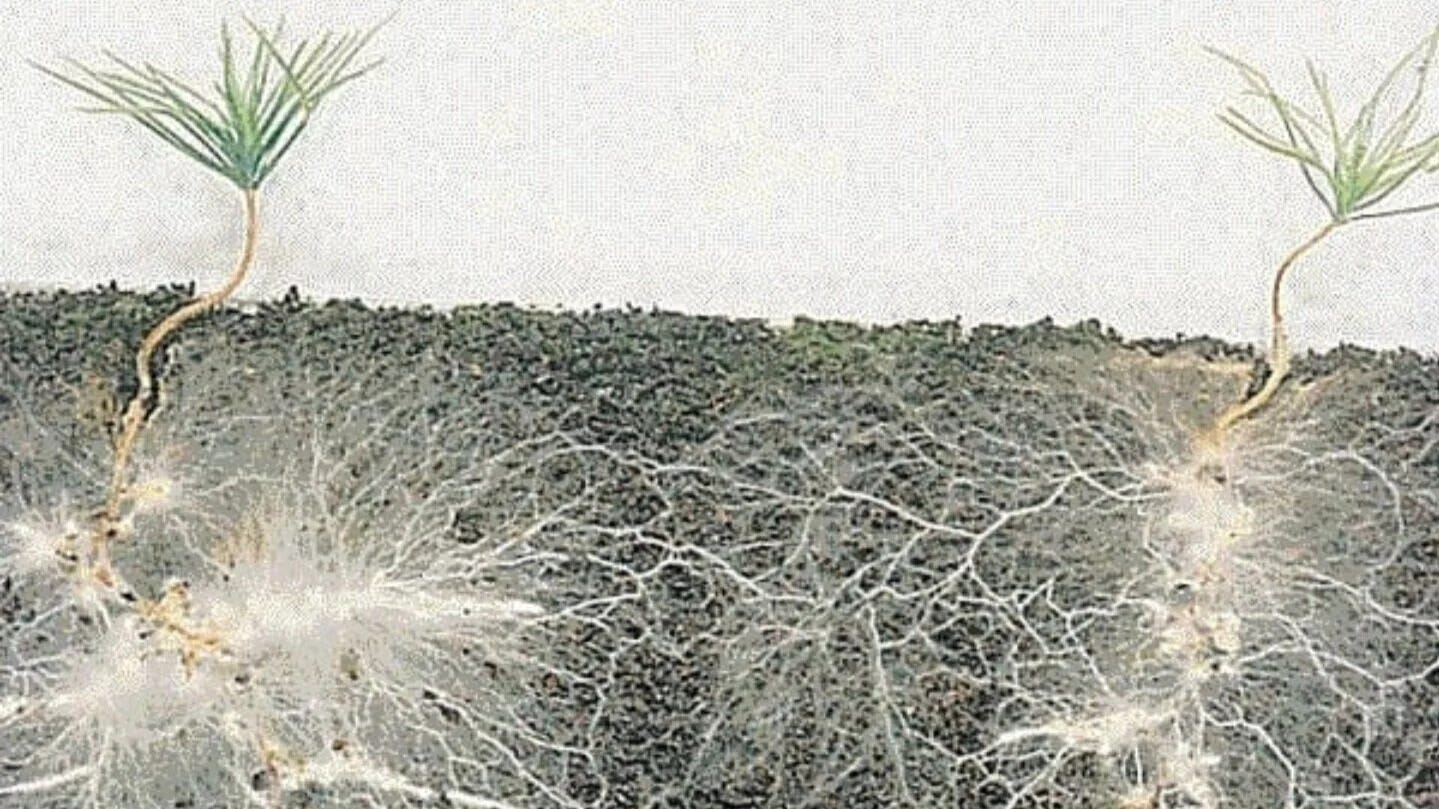
Below the soil, this cooperation is facilitated in part by mycorrhizal fungi - the vast underground networks that connect plant roots across a garden, a field, a forest. Through these fungal threads, plants exchange water, phosphorus, and carbon. They don’t just tolerate the network; they invest in their environment, sometimes sending resources to weakened neighbours with no obvious return. I mean.... 🤯
The sunflower participates in this economy, if we should call it such a thing. What looks like an individual is always, underground, a node in something larger, in a distributed system - which, if you spend enough time in rooms with good sound systems, starts to feel like a familiar idea.
Then there is heliotropism - that defining, almost tender behaviour of young sunflowers tracking the arc of the sun across the sky. East in the morning, west by evening, reset overnight. The stem grows faster on its shaded side during the day, slower during the night - a rhythmic cellular elongation that is the plant equivalent of turning your face toward warmth.
Researchers have found this isn’t merely passive phototropism. The east-facing warmth of a sunflower in the morning actively attracts pollinating bees, who prefer warmth to cold. A sunflower that has tracked the sun all night to greet the morning east-facing is running warmer than its surroundings by as much as 10 degrees Celsius. It is, in effect, offering its visitors a heated landing pad, burning its own accumulated energy to make itself more hospitable. The plant isn’t just growing; it is cooperating with the ecosystem around it.
And the bees return the favour. Sunflowers are among the most visited plants by pollinators in a temperate garden. Their nectar is generous; their pollen abundant. The transaction is ancient and mutual - a contract written over millions of years of co-evolution. The sunflower that gives its warmth gets pollinated. The bee that accepts the warmth feeds the colony. Nothing wasted. Everything shared.
When the sunflower reaches maturity, the stem stiffens and the face settles eastward permanently - as if having danced long enough, it finally finds its stillness. Even this final orientation is an act of service: the fixed east-facing bloom continues to warm its florets in the morning sun, remaining attractive to pollinators long after the dancing is done.
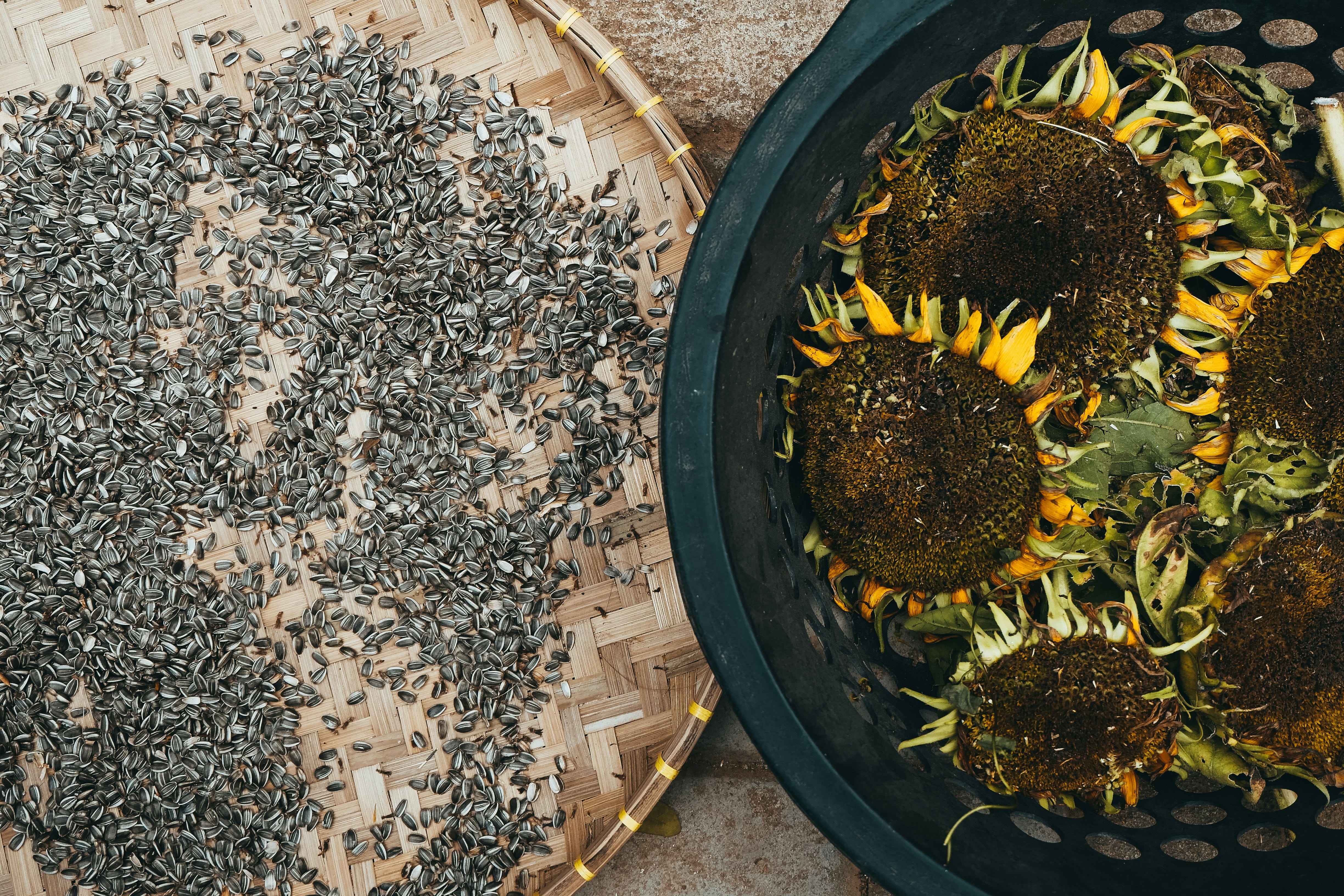
A single sunflower head can produce between 1,000 and 2,000 seeds - far more than any one plant needs for its own reproduction. The excess feeds birds across the autumn and winter months; goldfinches, greenfinches, and house sparrows prise the achenes loose with practised precision. Mammals take what falls to the ground. The sunflower doesn’t hoard its surplus. It produces abundance and releases it.
Native to North America, sunflowers were cultivated by Indigenous peoples long before European contact - not only for food but for dye, medicine, and oil. The Hopi (by coincidence, my middle name!) used the seeds as a food source and the purple-black hulls to make a dye for baskets and body paint. The Cherokee employed the plant medicinally. Across dozens of nations, the sunflower was understood as a provider - something whose abundance, properly tended, could support an entire community - a real relationship between person and plant.
The Cherokee employed the plant medicinally. Across dozens of nations, the sunflower was understood as a provider - something whose abundance, properly tended, could support an entire community. A real relationship between person and plant.
Growing tip fact fans: if you prefer many smaller flowers per stem instead of a single large bloom, cut off the growing tip when the plant reaches 1m tall. This encourages side shoots and branching stems, each of which will form several smaller flowers. A plant that might have stood alone, singular and dominant, learns instead to proliferate - to spread and share its flowering more widely. The gardener’s intervention unlocks a latent generosity the plant was always capable of.
It’s tempting to read something into that.
Sunflowers get stressed: When stressed by insects or disease, sunflowers emit volatile compounds that neighbouring plants can detect and respond to - priming their own defences before the threat arrives. A kind of early warning system, distributed across a field. A form of collective care that travels through the air, invisible and constant.
The sunflower standing alone in your garden is speaking - to the bees landing on its warm face, to the fungi threading through the soil around its roots, to the seeds it is already preparing to scatter. It is embedded, always, in a conversation larger than itself.
The question is whether we’re paying close enough attention to hear it…
Musicians, it turns out, have always been drawn to the sunflower. Freddie Hubbard wrote Little Sunflower in 1967 - a modal jazz standard built around D minor, warm and unhurried, that’s been covered so widely it’s practically become part of the furniture. Notably, it’s an instrumental: the sunflower communicated without words, just as the plant itself does. More recently, Post Malone and Swae Lee sent Sunflower to the top of the Billboard Hot 100 on the back of a Spider-Man film, and Rex Orange County found resilience in the image on his 2017 track of the same name. Even Harry Styles had a go - which, depending on your Sunday morning, is either deeply comforting (mine) or entirely beside the point.
The sunflower has never been short of admirers. What it had been short of, until now, was someone willing actually to listen to one, which brings us onto…Scottish producer Brian d’Souza - known to many as Auntie Flo (A State Of Flo)
He spent the past year listening to all of this more closely than most. His Plants Can Dance project captured biodata from his son Hector’s sunflower growing in their London garden, feeding that living electrical information into a modular synthesiser to build an album that traces the full arc of a sunflower’s life. Released on Music to Watch Seeds Grow By - that’s us - the result is seven tracks that feel less like compositions and more like transcriptions. Patient, faithful documentation of something that took the right conditions to exist.
“I chose sunflowers because they embody cooperation over competition,” Brian explains. “When they encounter nutrient-rich soil between two plants, they deliberately root elsewhere to avoid conflict - demonstrating that co-existence can be a stronger evolutionary drive than dominance.”
The album opens with Signs of Life - sparse bleeps emerging from near-silence, a seed in soil, a first electrical pulse. By Germination, the structure is forming above the surface. Irrigation brings fluid movement and the sense of underground negotiations beginning: roots sensing moisture, reaching, responding - feeling their way into that subterranean web of exchange. Heliotropism is the album’s most kinetic moment - the sunflower orienting toward light, like, as Brian describes it, a dancer moving toward a single strobe on a dancefloor of soil. Stand Tall carries the weight of a stalk finally strong enough to bear what’s coming. Sunshine, Freedom, and a Little Flower gathers every sound across the album into a single, complete portrait.
The final track, Hector’s Sunflower, is a coda and a dedication. Named for the boy whose garden plant started all of this - whose observation, curiosity, and care made the whole project possible - it ends the album as a reminder that behind the botanical research and modular synthesis, this began with a child watching something grow.
It began, in other words, with attention. Which is maybe the most radical act available to any of us in these complicated days
“You have to get up and plant the seed and see if it grows, but you can’t just wait around - you have to water it and take care of it.” Bootsy Collins
Brian d’Souza has done exactly that. And what grew is well worth the wait. 🌻🌻🌻
Brian d’Souza’s Plants Can Dance (Sunflowers) is out now on Music to Watch Seeds Grow By. Last few cassettes that coome with a packet of sunflower seeds included, and as a digital download at auntieflo.bandcamp.com.
This is fascinating, thank you for sharing.